
Hip pain may slowly lessen comfort, mobility, and autonomy. Basic tasks such as walking, sitting, or climbing stairs might be more difficult with time. In case of medication and therapy failure, doctors can prescribe surgery. Most patients are scared since they are unsure of the operation.
Being familiar with every step can reduce stress and help to prepare mentally and physically. A certified hip replacement surgeon also takes patients through the assessment, surgery, and rehabilitation. Knowing what happens before and after surgery gives confidence in making the right decision.
When Hip Replacement Surgery Becomes Necessary
The replacement of the hip is normally advised in the case of severe joint damage. The most frequent cause is arthritis, although injury, degeneration, or persistent inflammation can be the cause of damage.
Patients experience continuous pain. The most common signs are stiffness and a lack of movement, and pain that disrupts sleep. In case of daily activities being troublesome even after therapy, a hip replacement surgeon can propose surgery as a permanent solution.
Consultation with Hip Replacement Surgeon
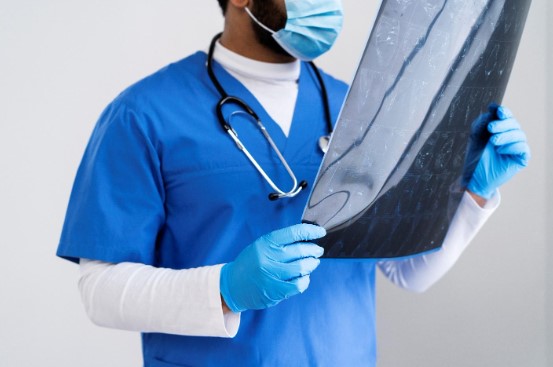
The initial one is a thorough consultation in which the surgeon examines your previous medical history and the symptoms you have at present. Diagnostic tests, such as X-rays or occasionally MRIs, are used to assess joint damage and determine the best prosthetic option, e.g., ceramic, metal, or plastic.
Talk about medication, allergies, and previous surgeries. Questions should be asked to alleviate fear and create achievable expectations. Asking questions during this stage helps reduce fear and sets realistic expectations.
Pre-Surgery Planning and Lifestyle Changes
Preparing for a hip replacement involves a combination of medical, physical, and lifestyle optimizations designed to reduce complication risks, speed up recovery, and ensure a smooth, safe transition home. You can be asked to exercise light muscles. Maintaining a good weight reduces the strain on the new joint.
Surgery can require you to stop some of your medications your surgeon can recommend. Smoking and alcoholism are normally restricted as they retard healing. Scheduling a dental checkup to treat any issues, like bacteria in the mouth, as they can lead to joint infection. Make your house safe with the support rails, walking paths cleared, and the things you need placed within easy reach.
What Happens on Surgery Day
The surgeon excises injured bone and cartilage and substitutes them with artificial materials, which regain movement. Monitoring starts right after surgery, as the medical staff will monitor vital signs and make sure that you feel comfortable enough to get out of anesthesia.
The majority of the patients begin to move within one day. Supported walking helps to ameliorate stiffness and improve circulation. At the start, pain and swelling are normal. Pain can be alleviated by medication and cold therapy.
Physical Therapy
Physical therapy following surgery is necessary. Workouts give muscles strength and make them flexible. Regular therapy enables one to walk again. Patients are taught to sit, take steps, and go up the stairs in a safe way.
Patients are advised to keep on moving and never strain their bodies through hard exercises. Stride, swimming, and light exercises are beneficial to the joints. A follow-up visit allows the surgeon to check on the progress of the healing process and also to know whether the implant is functioning correctly.