
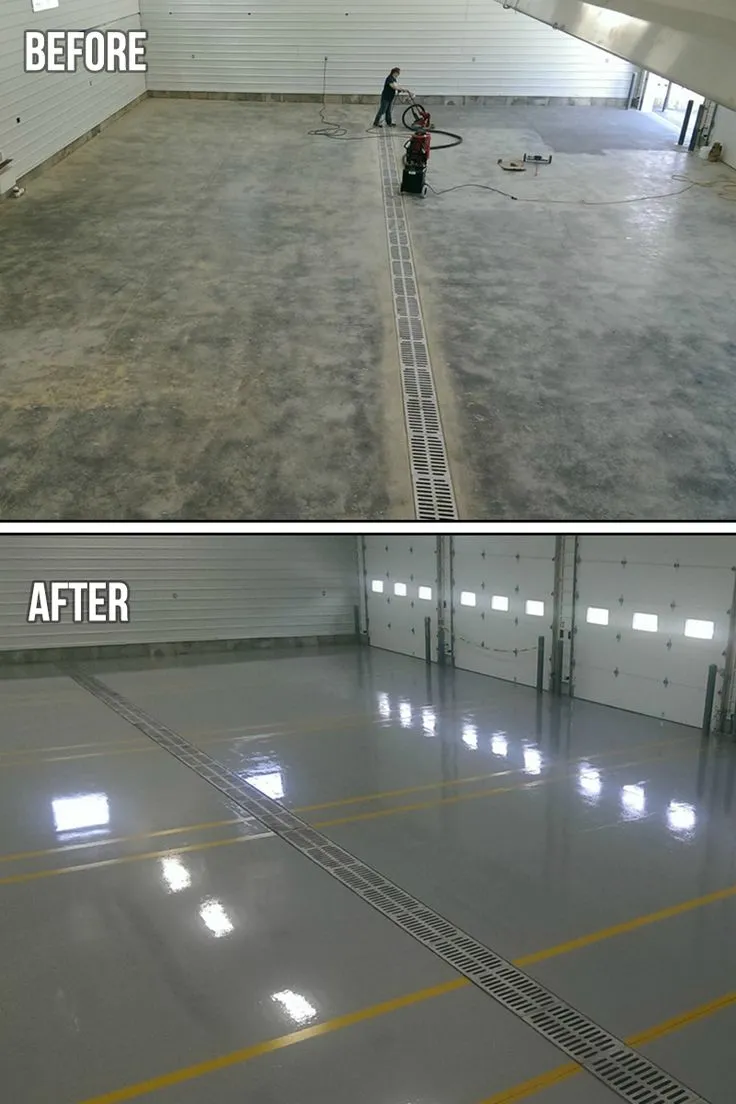
Commercial and industrial flooring projects involve far more than choosing a color or deciding how glossy the finished surface should look. The quality of the concrete, preparation method, operating conditions, coating specification, installation schedule, and maintenance requirements can all influence the final result. Because contractor proposals may describe these details differently, facility managers should compare more than the total price. A structured review of scope, preparation, materials, and project planning can make it easier to identify the proposal that best fits the facility.
Start With the Site Assessment
A contractor should understand the existing floor before recommending a system. Concrete that appears generally sound may still contain cracks, worn joints, surface contamination, old coatings, moisture concerns, or areas damaged by traffic.
A site inspection gives the contractor an opportunity to identify these conditions and understand how the space operates. Warehouse traffic, production machinery, wet processing, chemical exposure, and frequent sanitation can each change what the floor needs.
Facility managers should be cautious about specifications created without enough information about the slab or its daily use.
Compare Preparation Methods
Surface preparation is one of the most important differences between flooring proposals. A coating needs suitable concrete beneath it to develop reliable adhesion.
Businesses comparing Local Epoxy Floor Contractors Nj should ask exactly how the existing surface will be prepared. Mechanical methods such as diamond grinding or shot blasting may be used to remove weak material, contamination, and previous coatings while producing the required surface profile.
The proposal should also explain how cracks, damaged areas, and joints will be handled. Preparation may not remain visible after installation, but it strongly influences the completed system.
Understand the Complete Flooring System
The word “epoxy” can describe many different specifications. Two quotations may both mention epoxy flooring while offering substantially different layer structures, thicknesses, aggregates, primers, and topcoats.
Managers should ask contractors to explain each component and why it is appropriate for the facility. A primer may support adhesion, intermediate layers can create build and durability, and a topcoat may provide additional resistance to chemicals, abrasion, or other operating conditions.
Understanding the complete system allows decision-makers to compare proposals on performance rather than product names alone.
Match Materials to Daily Exposure
A flooring system should reflect what happens in the building. Forklift traffic creates different stresses from pedestrian traffic, while food-processing environments may add washdowns and aggressive cleaning routines. Manufacturing areas can introduce oils, chemicals, dropped tools, and heavy machinery.
Slip resistance also needs to match operating conditions. Wet areas may need more texture, but excessively rough surfaces can increase cleaning effort.
Contractors should therefore ask about traffic, cleaning methods, spills, equipment, and temperature conditions before finalizing a specification.
Review the Installation Schedule
Flooring work can temporarily interrupt normal operations. Equipment may need to be relocated, aisles closed, production areas restricted, or employees redirected.
When reviewing proposals from Nj Epoxy Flooring Contractors, facility managers should ask how preparation, repairs, coating application, and curing fit into the proposed schedule. A short installation period can be attractive, but important stages should not be reduced simply to minimize downtime.
Large facilities may be able to complete work in phases. This approach can help maintain partial operations while allowing each flooring section sufficient installation and curing time.
Examine What the Quote Includes
Comparing only the final price can be misleading. One contractor may include extensive crack repair and mechanical preparation, while another quotation may treat those tasks as additional work.
A clear proposal should describe the preparation process, repairs, flooring layers, approximate coverage, topcoat, and any exclusions. It should also clarify who is responsible for moving equipment or preparing the work area.
Detailed scopes make quotations easier to compare and reduce the likelihood of unexpected changes once installation begins.
Ask About Maintenance
A flooring project should include consideration of what happens after reopening. Facility teams need to know which cleaning products, machines, and procedures are suitable for the installed system.
Managers should also ask how minor damage should be handled. Forklift impacts, dropped equipment, and unusual chemical exposure can occasionally damage even a well-installed floor.
Regular inspections and prompt local repairs can help prevent small defects from developing into larger maintenance issues.
Consider Long-Term Value
Initial cost is important, particularly when resurfacing large commercial spaces. However, a cheaper system may offer poor value if it requires frequent repairs, interferes with operations, or is unsuitable for the facility’s exposure conditions.
A better comparison considers preparation quality, expected use, maintenance requirements, downtime, and the complete specification alongside price.
Conclusion
Selecting an epoxy flooring contractor requires more than collecting several prices and choosing the lowest number. The strongest proposals begin with a careful assessment of the existing concrete and clearly explain preparation, repairs, materials, installation stages, and maintenance expectations.
Facility managers who compare the complete project scope are better positioned to make informed decisions. A flooring system designed around actual traffic and operating conditions can provide a more practical surface while reducing avoidable maintenance and disruption over its service life.